

We’re speeding toward a climate disaster and there’s nothing we can do about it.
Or maybe we’re not — scientists disagree about global warming, don’t they?
The world needs tons more computing power, and the only way to supply the electricity it needs is to “drill, baby, drill.” And build more coal plants. And run natural gas pipelines through dedicated nature preserves like Bernheim Forest.
All that’s not just complete nonsense, it’s deliberate nonsense. You’re supposed to lose hope and give up in the face of overwhelming, unstoppable forces.
Don’t be overwhelmed. Fighting climate change is possible.
It’s a deliberate strategy you may have heard of called “flooding the zone.” The technique calls for the powers that be to bombard you with an onslaught of lies and half-truths aimed at making you give up on any positive change. It’s used to justify extreme action, or inaction, on issues from government spending to immigration to climate change.
But global warming does matter. And there are easy action steps to take.
It’s as simple as sending a message to your Louisville Metro Council member. They’re ready to listen. They’ve already passed a resolution for Louisville to get 100% of its energy from non-fossil-fuel sources by 2040. All they need is some encouragement to implement that resolution. From you.
When it comes to flooding the zone against clean energy, the strategy is to blast away using three myths.
Opinion: The Goodwill deal for the Nia Center did not pass, so why is there another vote?
Clean energy myth #1: Global warming? What global warming?
Just a few years ago, clean energy opponents were labeling global warming a hoax. Not so much anymore. The daily news diet of wildfires, floods, droughts, tornadoes and hurricanes makes it obvious to all that something bad is going on.
Even the climate-change deniers’ go-to claim that scientists disagree about the causes of warming isn’t working. Your everyday weather forecaster knows about the basic science — that carbon dioxide from burning fossil fuels traps sunlight and heats up the planet. And that the average global temperature has been increasing steadily since the industrial revolution, rising even faster since 1980.
Those meteorologists know that the scientific community agrees that burning coal, oil and natural gas is disrupting world weather patterns. Oh, sure you can always find someone to declare the Earth is flat. But that doesn’t mean people disagree on the shape of the globe.
So faced with the facts, big oil, big coal and big natural gas have changed their public relations tactics to, “Move along, nothing to see here.”
LG&E has submitted to the Kentucky Public Service Commission a 135-page “Integrated Resource Plan” describing how it expects to meet our future electricity needs. You might think that a long-range business plan would at least mention the utility-fueled, worldwide contribution to climate disruptions that will increase our need for air conditioning, among other effects.
Nope. The phrases “global warming” and “climate change” don’t appear at all in the plan.
Opinion: Kentucky makes dumb choices about data centers. You may foot the power bill.
Clean energy myth #2: Renewable energy is unreliable
Maria and Daryl Cleary at their home on Tyler Lane in the city of Kingsley. NoBurnVilla is a site they use to talk about the build of their home that uses solar and wind to power it and espouses the notion that getting to a cleaner environment means that you no longer burn any combustable fuels either in your home or your car. October 28, 2024
Solar power won’t work at night and wind energy won’t work in calm weather.
That’s not true anymore.
By pairing those renewables with batteries, they can store energy to be used in the dark and the calm. Power companies know this. Utility-scale battery capacity is 9 times larger today than five years ago. It increased 66% just last year—a skyrocketing trend projected to continue.
You can even try this at home. A residence with rooftop solar panels can be connected to a cabinet-sized battery to charge up during the day and essentially provide energy from the sun at night.
While coal and natural gas are touted as more reliable than renewables, those plants and pipelines regularly go down for maintenance and repairs. And during disasters, well, in winter storm Elliott in 2022, a third of LG&E/KU’s coal and gas generation failed at different points, resulting in rolling blackouts. That effect happened throughout the country. The disaster was eased by being able to tap into renewable energy, which now fuels more than one-fifth of the nation’s electricity generation. One national analyst commenting on the Elliott storm said, “Wind saved the day.”
Renewables’ contribution to reliability will continue. Wind and solar are growing at double-digit rates. Coal-fired generation is decreasing at double-digit rates.
Opinion: Will Greenberg budget to help thousands homeless in Louisville? Call and ask.
Clean energy myth #3: Climate change is too big a problem. There’s nothing I can do about it.
While fierce national battles of words and laws rage over the global warming that causes climate change, Louisville is one of more than 100 cities that have passed resolutions to achieve clean energy in the next 15 years. Nearby Cincinnati is another one of those cities, and its clean energy efforts have reduced electric rates, since renewables are now cheaper than coal.
The Louisville Metro Council is in budget discussions right now and could choose to fund rooftop solar installations on city buildings. A simple phone call or electronic message from you could help your council person’s resolve to implement its clean energy resolution.
Louisville has made a good start with installation of solar panels at seven city buildings. In the past two years the city Office of Sustainability saved the city more than $700,000 just in energy efficiency management steps.
Powerful political and industrial voices want you to look away and get discouraged about slowing global warming. But instead, listen to the Ving Rhames character, Luther Stickell, in this year’s movie, “Mission: Impossible – The Final Reckoning“: “We are masters of our fate. Nothing is written … . Any hope for a better future comes from willing that future into being.”
Tell us what you think. Submit a letter to the editor.
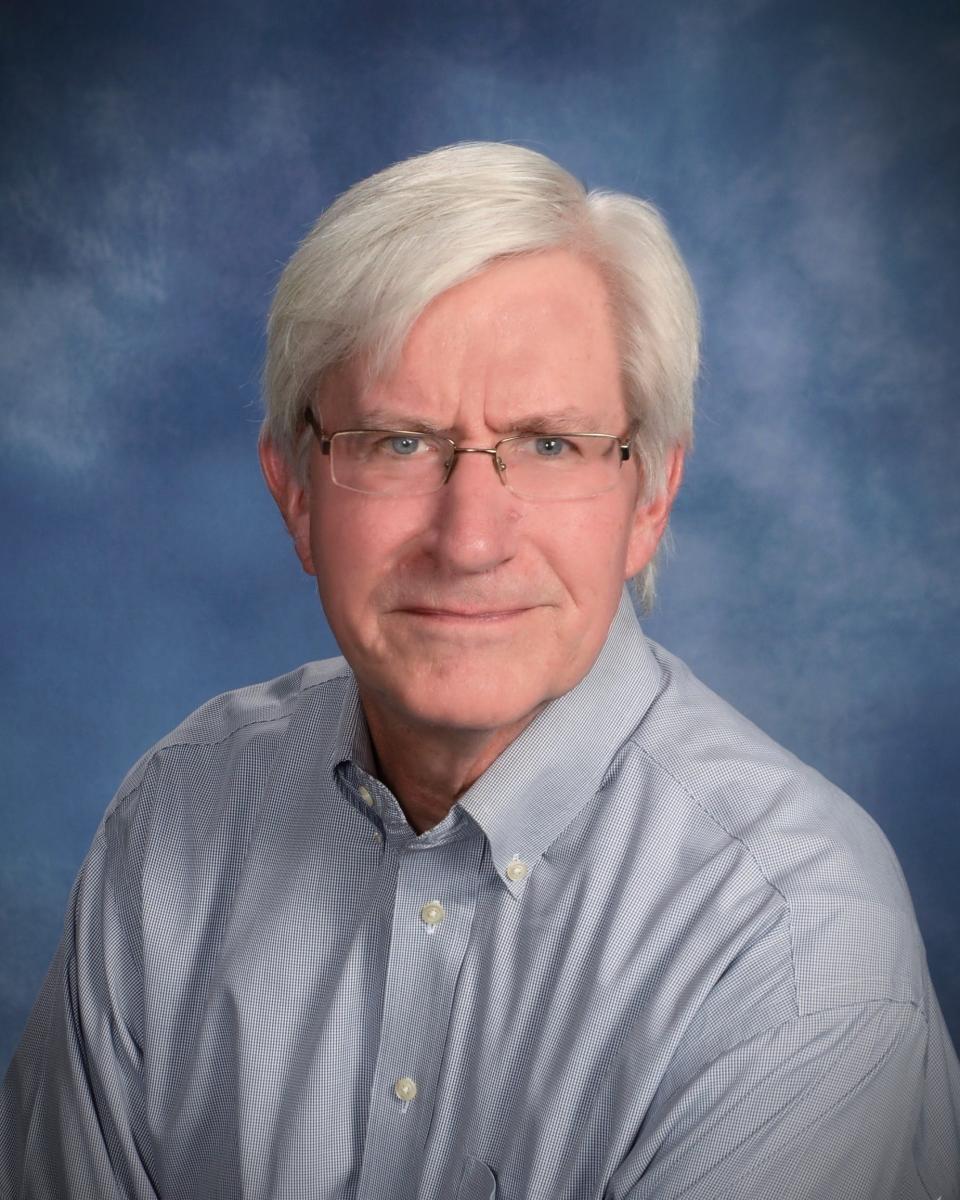
Paul Wesslund is a Louisville freelance writer, the former editor of Kentucky Living magazine and author of the book “Small Business, Big Heart — How One Family Redefined the Bottom Line.”
Paul Wesslund is a Louisville author who writes on energy issues and for 20 years was editor of Kentucky Living magazine. He wrote the book “Small Business, Big Heart — How One Family Redefined the Bottom Line,” and blogs on how decency succeeds in business and in life at paulwesslund.com.
This article originally appeared on Louisville Courier Journal: Louisville can still fight climate change. Don’t lose hope | Opinion
About the Author


