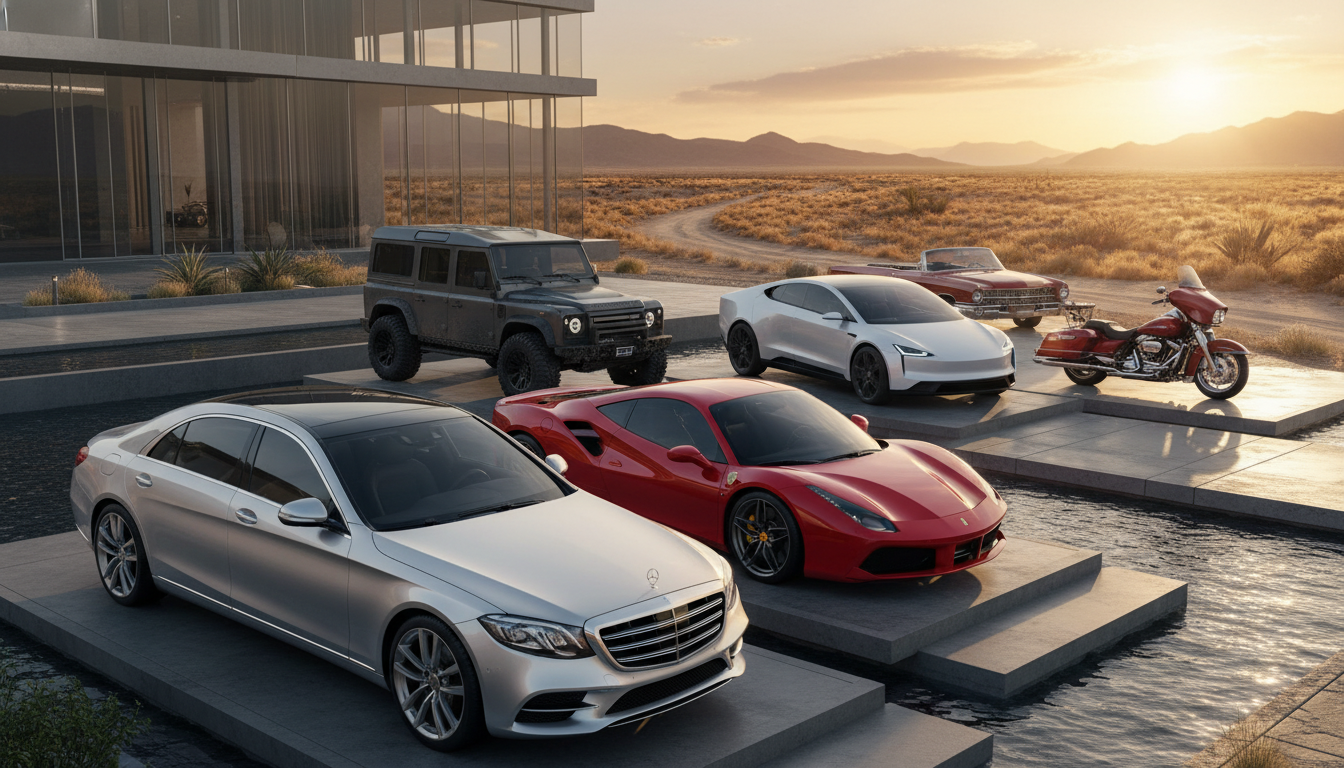
Your Premier Destination for Automotive Excellence
Are you passionate about the roar of an engine, the sleek lines of a performance machine, or the undeniable prestige that comes with exceptional engineering? At Auto Mogul, we understand that connection. We are your premier destination for everything automotive, offering an unparalleled selection and expert insights into the world of vehicles. From exquisite Luxury Cars – Auto Mogul to rugged off-roaders and sustainable electric vehicles, we cater to every enthusiast and professional alike. Dive into a world where quality meets passion, and discover how Auto Mogul defines automotive excellence.
Luxury Cars – Auto Mogul: Drive Prestige
Experience the epitome of sophistication and comfort with our curated selection of luxury automobiles. These high-end vehicles are not merely transportation; they are statements of success and discerning taste. Every detail, from the handcrafted interiors to the advanced infotainment systems, is designed to deliver an unmatched driving experience.
Owning a premium vehicle from Auto Mogul means embracing a lifestyle of elegance and superior craftsmanship. We feature models that blend innovative technology with breathtaking design, ensuring every journey is a testament to automotive artistry. Discover the difference that true luxury makes.
Sports Cars – Auto Mogul: Speed Redefined
For those who crave adrenaline and precision, our range of sports cars offers an exhilarating escape. These performance machines are engineered for speed, agility, and an unparalleled connection to the road. Feel the power as you accelerate, and navigate corners with unmatched confidence.
At Auto Mogul, we celebrate the thrill of high-performance driving. Our collection includes vehicles renowned for their powerful engines, aerodynamic designs, and track-ready capabilities. Unleash your inner racer and redefine what’s possible behind the wheel.
SUV & Off-Road – Auto Mogul: Conquer Every Terrain
Adventure calls, and our selection of SUVs and off-road vehicles are built to answer. These robust machines combine versatility with rugged capability, making them perfect for family adventures, challenging landscapes, and daily utility. From city streets to untamed trails, conquer every terrain with confidence.
Explore the freedom of going anywhere with Auto Mogul’s range of all-terrain vehicles. With advanced four-wheel-drive systems, spacious interiors, and durable construction, these vehicles are ready for any journey. Embrace exploration and discover new horizons.
Electric Vehicles – Auto Mogul: Power the Future
Step into the next generation of driving with our impressive array of electric vehicles. Auto Mogul is at the forefront of sustainable mobility, offering EVs that combine eco-friendliness with cutting-edge performance and silent power. Experience instant torque and a smooth, quiet ride.
Embrace innovation and reduce your carbon footprint with an electric vehicle from our collection. These zero-emission automobiles offer advanced battery technology, impressive range, and smart charging solutions. Drive smarter and power the future with Auto Mogul.
Motorcycles – Auto Mogul: Ride the Freedom
Feel the wind in your face and the open road beneath you with our diverse range of motorcycles. From nimble sportbikes to comfortable touring cruisers and classic choppers, Auto Mogul offers two-wheeled machines that embody freedom and adventure. Every ride is an experience.
Discover the unique connection between rider and machine as you explore our selection of motorbikes. Whether you seek thrilling speeds, long-distance comfort, or simply the joy of the ride, we have the perfect motorcycle to ignite your passion. Ride your way to freedom.
Classic Cars – Auto Mogul: Timeless Legends
Journey back in time with Auto Mogul’s exquisite collection of classic cars. These timeless legends represent automotive history, craftsmanship, and enduring style. Each vintage automobile tells a story, embodying an era of unique design and engineering prowess.
Owning a classic car is an investment in heritage and a testament to appreciation for automotive artistry. Our selection includes meticulously maintained and restored vehicles that continue to captivate enthusiasts worldwide. Preserve a piece of history and drive a legend.
Commercial Vehicles – Auto Mogul: Built for Business
For businesses that demand reliability and efficiency, Auto Mogul provides a comprehensive range of commercial vehicles. From robust trucks to versatile vans and specialized fleet solutions, we offer workhorses designed to meet the rigorous demands of any industry. Power your business forward.
Our commercial vehicles are built for durability, performance, and cost-effectiveness, ensuring your operations run smoothly. Auto Mogul understands the importance of dependable transport for your enterprise. Equip your business with the tools it needs to succeed.
Car Accessories – Auto Mogul: Enhance Your Drive
Personalize and enhance your vehicle with our extensive range of car accessories. From performance upgrades and advanced tech gadgets to interior comforts and exterior styling elements, Auto Mogul offers everything you need to customize your ride. Make it uniquely yours.
Elevate your driving experience with high-quality automotive enhancements. Whether you’re looking for improved functionality, added safety features, or a touch of personal flair, our accessories collection has you covered. Discover endless possibilities to upgrade your vehicle.
Car Care – Auto Mogul: Shine with Pride
Maintain the pristine condition and value of your vehicle with Auto Mogul’s premium car care products and services. From professional detailing solutions to essential maintenance kits, we provide everything needed to keep your automobile looking its best. Shine with pride every day.
Proper vehicle upkeep is crucial for longevity and preserving aesthetic appeal. Our expert advice and top-tier products ensure your car remains a head-turner, inside and out. Trust Auto Mogul for comprehensive care that reflects your passion for your ride.
Motorsport – Auto Mogul: Born to Compete
For the ultimate expression of automotive passion, delve into the thrilling world of motorsport with Auto Mogul. We celebrate the spirit of competition, the pursuit of speed, and the mastery of driving skill. Experience the adrenaline of the track and the cutting edge of performance engineering.
From high-performance parts to insights into racing events and culture, we cater to enthusiasts born to compete. Explore the limits of what’s possible and connect with a community that lives for the roar of the engine and the checkered flag. Motorsport isn’t just a hobby; it’s a way of life.
Whether you’re seeking the thrill of a performance vehicle, the reliability of a commercial fleet, or the timeless elegance of a classic, Auto Mogul is your trusted partner. We invite you to explore our comprehensive offerings and experience the ultimate in automotive passion and professionalism. Discover your next dream drive with Auto Mogul, where every journey begins with excellence.